
The Legacy of Henry Peter Brougham: Challenging Military Flogging

Updated: Aug 17
In the early nineteenth century, the British Army operated under a discipline system that many viewed as brutally archaic. At its core was flogging: the public whipping of soldiers with the cat-o’-nine-tails. This punishment was often administered in front of their regiment. Into this contentious arena stepped Henry Peter Brougham, a formidable reformer of his time. He brought the issue from barracks and newspaper columns into the heart of parliamentary debate.

Why Flogging Existed
Flogging was not an anomaly; it was a structural feature of military discipline. The British Army of the Napoleonic era consisted largely of men from the poorest strata of society. Many were illiterate and enlisted for long terms. Senior officers, often from the aristocracy, believed that only severe, immediate punishment could maintain order.
Under the Articles of War and the annually renewed Mutiny Acts, offences such as desertion, theft, drunkenness, or insubordination could lead to hundreds of lashes. Sentences of 300, 500, or even 1,000 lashes were not unheard of. While some punishments were commuted, many were carried out in full, occasionally resulting in permanent injury or death.
By the early 1800s, this system faced increasing scrutiny. Reports circulated, particularly in the radical press, about soldiers collapsing under the lash or dying shortly after punishment. These accounts began to erode public confidence in the moral legitimacy of the army’s disciplinary code.
The Scale and Abuse of the System
Critics argued that flogging had evolved from a disciplinary measure into systemic abuse:
Punishments were often disproportionate, with minor infractions attracting extreme sentences.
Enforcement relied heavily on the discretion of commanding officers, leading to inconsistency.
The spectacle of public flogging degraded not only the victim but the entire regiment.
Figures like William Cobbett played a crucial role in exposing these abuses. He published detailed accounts that stirred public outrage. It was within this climate that Brougham took up the issue in Parliament.
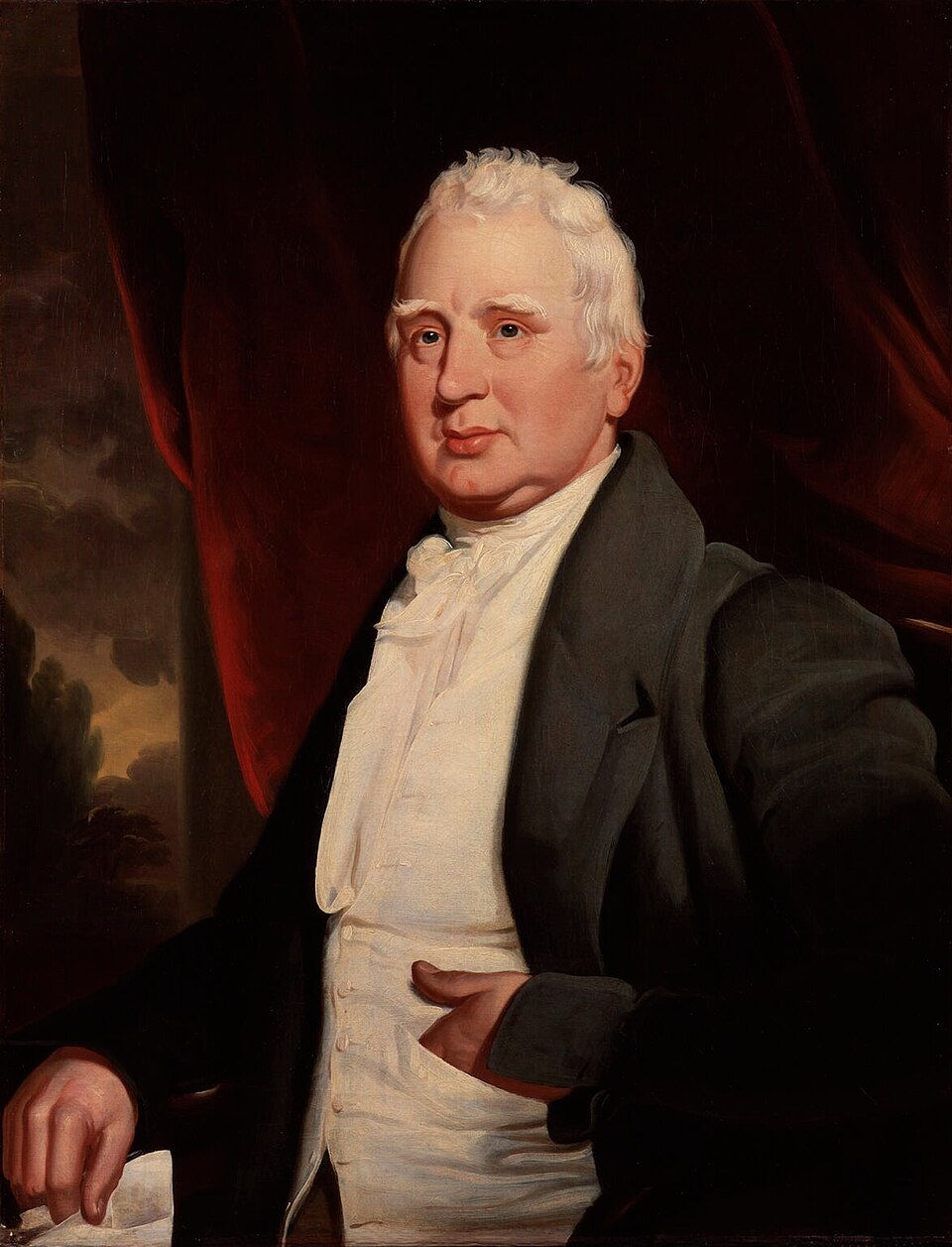
In 1810, William Cobbett was accused of seditious libel for publishing an article condemning the use of flogging on British militiamen. He was found guilty, sentenced to two years in prison, and fined an astonishing £1,000. It was against this backdrop that Brougham and his contemporaries fought for greater press freedoms.
Brougham’s Intervention: Principle and Strategy
Brougham’s opposition to flogging was part of a broader reform agenda that included legal modernisation, educational expansion, and the abolition of slavery. His approach to military punishment was characteristically multi-layered:
Moral Argument: Flogging was degrading and incompatible with a civilised society.
Constitutional Argument: It vested excessive, quasi-judicial power in officers without proper safeguards.
Practical Argument: It undermined discipline by brutalising soldiers rather than cultivating loyalty.
In parliamentary debates, Brougham repeatedly challenged the assumption that fear was the foundation of military order. In one Hansard-reported intervention, he argued that a system subjecting British soldiers to the lash was “disgraceful to the service and degrading to the man.” He maintained that such severe punishments “debased rather than reformed” and could not produce the steady discipline required of a professional army.
These remarks were not isolated. They formed part of a sustained critique delivered across multiple debates on army discipline and the renewal of military law.
In January 1811, the publishing brothers John Hunt and John Leigh Hunt republished an article about flogging in The Examiner. Brougham defended them in court and was successful. This was significant because it highlighted the partnership between the reforming press and reforming politicians.
In 1811, Parliament actively debated army flogging. Sir Francis Burdett called it an “odious, disgraceful and abominable practice” on 25 May 1811. He raised a case where Thomas Taylor of the Liverpool Local Militia received lashes. On 18 June 1811, Burdett moved for the Prince Regent to restrain and ultimately abolish flogging.
In March 1812, Hansard records Brougham stating that “the animadversions of an honest press” had helped produce change in military flogging practices. This highlighted a clear link between press exposure, cases like the Hunts’, and parliamentary reform pressure.
Allies and Contemporaries
Brougham was not alone in his efforts. His parliamentary and public stance aligned with a wider reform movement that included:
Sir Francis Burdett: An advocate of civil liberties and parliamentary reform.
William Cobbett: A journalist who exposed individual cases of brutality.
Other radical and Whig reformers who sought to align Britain’s institutions with emerging liberal ideals.
Together, they transformed flogging from a technical question of discipline into a national moral issue.

Influence and Outcome
Brougham did not abolish flogging outright. The practice proved resilient, defended by military authorities who feared the collapse of discipline. However, it was finally banned in 1888. His influence was significant in three respects:
Shifting the Terms of Debate: He reframed flogging as incompatible with Britain’s constitutional identity, not merely a matter of military expediency.
Legitimising Criticism within Parliament: What had been the preserve of radical journalists became a subject of serious legislative scrutiny.
Contributing to Long-Term Reform: Over the course of the 19th century, flogging was progressively restricted and ultimately abolished in peacetime in 1881.
Brougham in the Wider Reforming Tradition
Opposition to flogging fits squarely within Brougham’s broader intellectual and political reform agenda. Whether campaigning for the abolition of slavery, the spread of education, or the reform of the legal system, he consistently sought to:
Limit arbitrary power.
Extend legal protections.
Promote human dignity within institutions.
His critique of military flogging was not an isolated cause but part of a coherent reform philosophy. This philosophy aimed to align all facets of the state, including the army, with the principles of a modern, liberal society.
In confronting the entrenched practice of flogging, Henry Peter Brougham helped expose a fundamental tension within early nineteenth-century Britain. This tension lay between a self-image as a free and civilised nation and the harsh realities of its institutions. His parliamentary interventions did not end the practice overnight, but they played a crucial role in changing how it was understood—and ultimately, why it could no longer be justified.
Conclusion: The Enduring Impact of Brougham's Legacy
Brougham's legacy continues to resonate today. His fight against flogging was not just about military discipline; it was about the broader principles of justice and humanity. The changes he championed laid the groundwork for future reforms, shaping the way we view punishment and human rights.
As we reflect on Brougham's contributions, we can appreciate the importance of advocacy, persistence and reform in creating a more just society. His story reminds us that change is possible, even in the face of deeply entrenched practices, though sometimes it can take a little time.
In the end, Brougham's work, along with his fellow reformers, serves as an inspiration for all who seek to challenge injustice and promote dignity for all individuals.


